Hail & Severe Storm Damage Roof Inspection in Albuquerque, NM
Severe high-desert storms frequently inflict subtle yet devastating damage to residential and commercial roof assemblies in Central New Mexico. High-velocity microburst winds lift flat roof membrane laps and break concrete tile fasteners, while severe hail impacts fracture brittle modified bitumen cap sheets and hidden fiberglass mats. Roof Expert USA coordinates comprehensive forensic storm damage inspections across Albuquerque, Rio Rancho, and the Sandia Foothills to evaluate structural integrity and compile objective documentation for insurance adjusters.
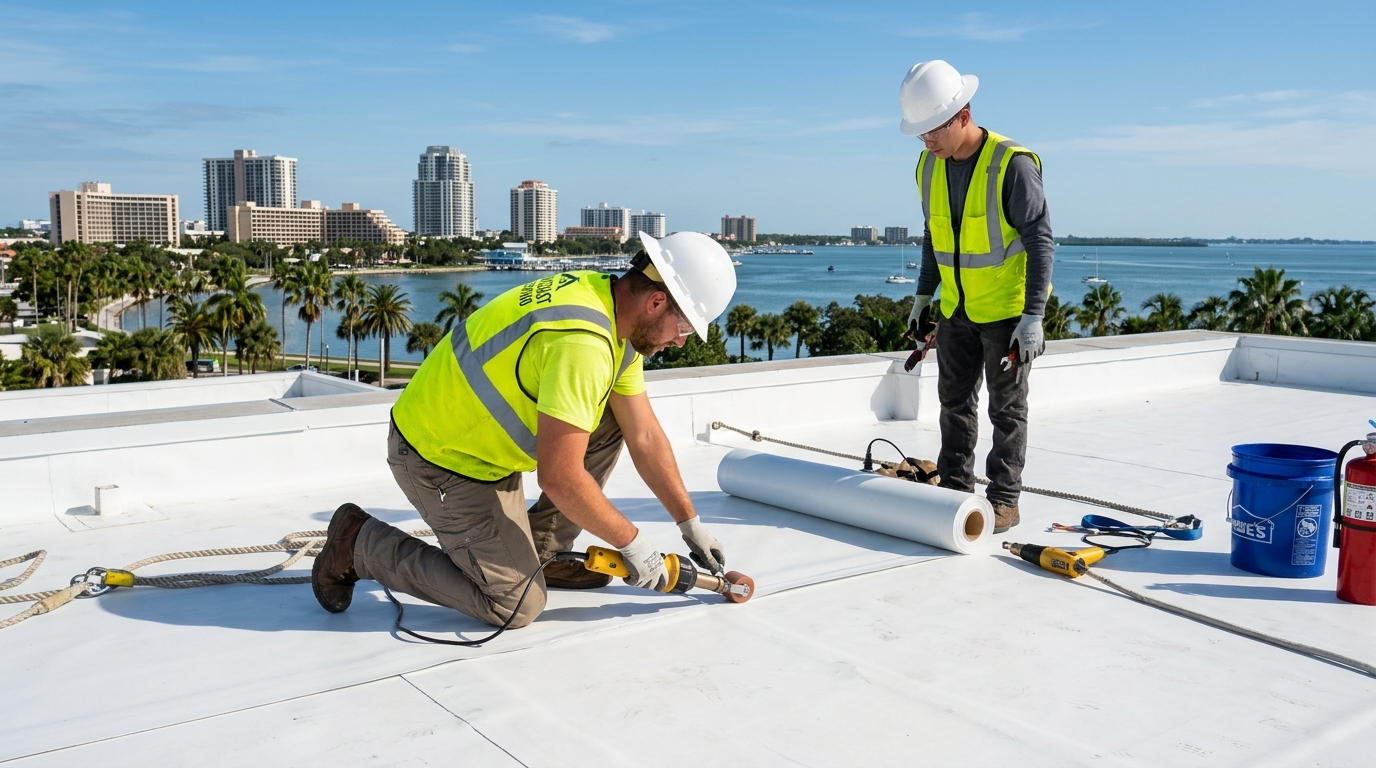
Regional Microclimate Dynamics & Severe Storm Exposure in Central New Mexico
Wind and storm dynamics in the Albuquerque basin are intensified by the Sandia Mountains and the Rio Grande Rift. Summer convective cells sweeping across the high desert generate sudden microbursts with downward wind velocity exceeding 70 mph, accompanied by golf-ball sized hail. Hail impacts fracture the protective mineral granule coating on modified bitumen membranes, exposing the underlying asphalt binder to rapid solar UV embrittlement. On concrete tile roofs, hail strikes crack barrel and flat tiles along their interlocking watercourses, creating direct paths for driving rain.
Non-Destructive Moisture Diagnostics & FLIR Thermal Tracing
Forensic inspection protocols follow standardized Haag Engineering methodology. Certified inspectors establish 100-square-foot test squares on each roof plane, documenting hail impact fractures, granule loss, broken tile edges, and wind-creased seams. Collateral damage on soft metals—such as dented evaporative cooler housings, deformed metal parapet coping caps, and bruised aluminum scuppers—is meticulously recorded to establish storm direction and impact intensity. Dispatched technicians correlate exterior findings with FLIR thermal imaging scans to detect concealed moisture infiltration.
Key Technical Engineering Protocols • High-Desert Standards
- Haag-Certified Forensic Inspection Protocols documenting hidden membrane fractures and tile chips.
- Non-Invasive Electronic Moisture Mapping of underlying flat roof insulation layers.
- Comprehensive Collateral Impact Documentation for parapet coping, scuppers, and cooler ducts.
- Xactimate-Compatible Scope Reports for seamless insurance claim validation.
Step-by-Step Substrate Restoration Methodology
Following inspection, technicians generate a comprehensive Storm Scope Assessment Report detailing the exact square footage of damaged roofing, decking condition, parapet flashing degradation, and code-mandated replacement requirements. If unaddressed, hail micro-fractures in modified bitumen membranes allow moisture to seep into polyiso insulation boards, causing thermal degradation, wood rot, and eventual interior ceiling failure.
New Mexico Building Codes & Contractor Licensing Compliance
All storm inspections comply with New Mexico insurance appraisal standards and the New Mexico Building Code (NMAC 14.7.3). Dispatched contractors are fully licensed with the New Mexico Construction Industries Division (NM CID). Their objective forensic logs include high-resolution macro photography, GPS-stamped damage locations, and moisture percentage readings formatted to match carrier estimating platforms such as Xactimate and Symbility.
Preventative Property Maintenance & Albuquerque Monsoon Preparedness
Following any severe hail or microburst storm in the Albuquerque area, property owners should perform a ground-level perimeter check. Look for broken tile fragments in gravel landscaping, dented air conditioning units, or excessive granules washing out of roof canales. Schedule a professional roof inspection immediately rather than waiting for ceiling stains to appear weeks later during the next storm.
Emergency Homeowner Safety Protocol During Monsoon Roof Breaches
Never attempt to access a flat roof with standing ponded water or climb ladders during an active New Mexico thunderstorm. High-desert lightning and microburst winds pose fatal risks. If water is leaking near ceiling light fixtures or electrical panel enclosures, immediately switch off the circuit breaker for that zone at your main electrical service panel. Place buckets to catch drips, puncture small pinholes in sagging sheetrock blisters to relieve pooled water weight safely, and call our emergency dispatch desk immediately at (888) 208-4155.
Frequently Asked Questions About Storm Damage Inspection
How does hail damage flat modified bitumen roofs in Albuquerque?
Hail strikes crush the mineral granule surface and break the asphalt matrix, creating circular impact fractures or hidden fiberglass tears. Sunlight quickly degrades the exposed asphalt, leading to leaks within months.
Does homeowners insurance pay for a professional storm damage inspection?
When significant storm activity has occurred, insurance carriers generally cover legitimate inspection and damage appraisal costs as part of the overall claim adjustment process.
How long do I have to file a storm damage roof claim in New Mexico?
Most property insurance policies require claims to be reported within one year of the date of loss. Documenting storm damage immediately following a monsoon storm provides clear proof that damage was caused by a specific weather event.
Immediate Emergency Roof Dispatch in Albuquerque
Speak directly with on-call Middle Rio Grande dispatchers. Independent, licensed New Mexico CID roofing contractors standing by 24 hours a day, 7 days a week.
DISPATCH HOTLINE: (888) 208-4155